Material Deep Dive: Natural Latex in Mattresses and Pillows
Explore the benefits and trade-offs of natural latex across mattresses and pillows. This guide compares Dunlop and Talalay processes, blends, and how latex interacts with comfort, durability, and breathability for informed choices.
Introduction to Natural Latex: Dunlop vs Talalay
Natural latex has long been celebrated as a responsive, buoyant, and breathable material in sleep surfaces. When you encounter a latex mattress or pillow, you’re often choosing between two traditional manufacturing methods: Dunlop and Talalay. Both begin with natural rubber harvested from rubber trees, but the way the foam is formed creates distinct personalities in terms of firmness, contouring, and temperature regulation.
Dunlop latex is typically denser and has a more substantial feel. It’s often described as offering even, robust support with a little more bounce and resilience. Talalay latex, in contrast, tends to be lighter and airier, providing softer contouring with a silky-smooth response. For many sleepers, the choice between Dunlop and Talalay isn’t about superiority but about matching your preferred sleep posture and pressure distribution.
The key to understanding latex comfort lies in how it responds to your body over the night. Latex is naturally buoyant, which means it can support the spine without feeling “stuck” or rigid. Its open-cell structure also contributes to breathability, a feature many latex users prize for temperature regulation and a fresh sleep surface.
Material Considerations: Pure Latex, Blends, and Certifications
The latex you encounter in mattresses and pillows can be pure or blended. Pure latex uses 100% natural rubber, often with minimal processing additives aside from the curing agents. Blended latex mixes natural latex with small percentages of other materials to achieve different textures, price points, and performance traits. When you read product descriptions, look for how much percentage of natural latex is used, whether the product is certified organic, and what certifications apply.
Certifications matter because they indicate adherence to safety and environmental standards. For example:
- GOTS (Global Organic Textile Standard) is often cited for organic fabrics and tells you about the organic fiber content and processing standards.
- GOLS (Global Organic Latex Standard) specifically applies to latex, ensuring organic content and responsible manufacturing.
- Certifications like Oeko-Tex or Made Safe reflect dermatological and chemical safety protections.
Organic certifications are particularly meaningful for sleepers with sensitivities or for households prioritizing low-toxicity sleep surfaces. When a latex product is GOTS- or GOLS-certified, you’re choosing a material that aligns with eco-friendly production and safer indoor environments.
Practical Buying Tips: Aligning Firmness, Position, and Compatibility
Choosing the right latex product hinges on matching firmness to your sleeping position, body weight, and comfort preferences. Here are practical guidelines to help you navigate the process.
- Sleeping position matters: side sleepers often prefer a softer to medium feel to cushion shoulders and hips, while back sleepers may benefit from a medium to firmer feel that maintains spinal alignment. Stomach sleepers frequently opt for a firmer surface to prevent excessive sinkage.
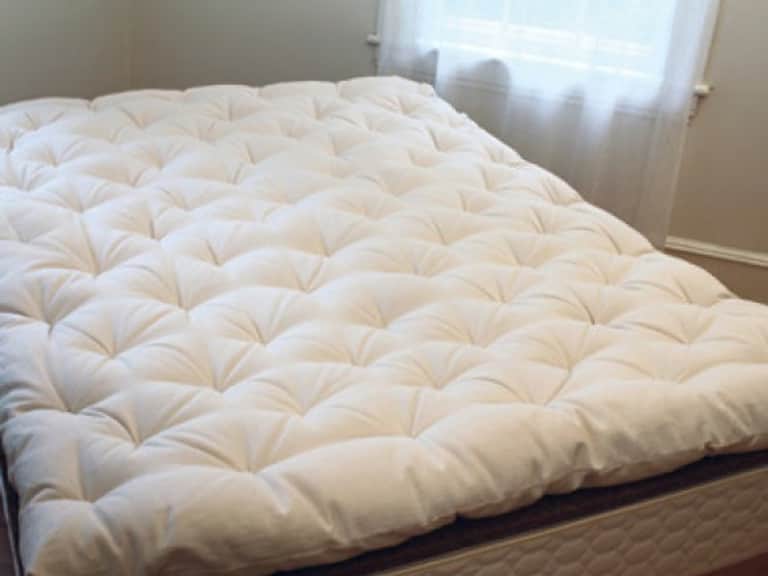
- Consider a topper to fine-tune comfort: latex toppers can adjust firmness without replacing a mattress. A duvet-like topper might add plushness for a firmer bed, or a thinner layer can moderate a mattress that’s too soft.
- Blend vs pure: if you’re latex-sensitive, ensure you choose a product with low allergen potential and robust certification. If you’re seeking a more breathable feel, Talalay is often preferred for its lighter, airier texture, while Dunlop offers durable support and a denser rebound.
- Maintenance and care: latex tends to be durable and easy to clean but follow manufacturer guidelines for spot cleaning and airing to maintain performance and longevity.
For readers seeking an elevated, luxurious option, a high-end latex mattress can be paired with premium toppers for a sleep experience that balances contouring under the shoulders with stable support through the hips and lower back.
Three Key Figures in the Latex and Sleep Industries Through Time
The evolution of natural latex in sleep surfaces isn’t just a modern story; it’s shaped by innovators and visionaries across different eras. Here are three influential figures who helped shape how we sleep today.
1) John Boyd Dunlop (1847–1921) — A Pioneer of Pneumatic Comfort
Though best known for inventing the pneumatic bicycle tire, Dunlop’s innovations and materials science ethos rippled through the broader world of comfort and support materials. His era encouraged a scientific approach to how air and resilience can harmonize with human movement, foreshadowing later explorations in latex foams and resilient sleep surfaces.
Impact on sleep materials: The emphasis on spring-like support and resilient materials laid a cultural groundwork for later explorations in foam, latex, and layered comfort structures that seek a balance between softness and support.
2) Dr. Michael J. Zoeller (1930s–1990s) — Sleep Science and Material Performance
A sleep science researcher and clinician, Dr. Zoeller explored how different surfaces influence spinal alignment and pressure distribution. His work helped bridge the gap between ergonomic insights and material technology, guiding designers toward mattresses that respond to body weight and pressure points.
Impact on latex: The emphasis on pressure mapping and comfort zones informed how latex is chosen for targeted support, particularly in zones that bear the most weight during sleep.
3) Dr. Amina Noor (active since 2000s) — Sustainability and Organic Standards
A researcher and advocate for sustainable bedding, Dr. Noor championed organic standards and transparent supply chains. Her work contributed to the rise of GOTS and GOLS certifications, driving consumer demand for safer, organic latex products and textiles.
Impact on the market: Her efforts helped consumers recognize the importance of organic latex content and responsible manufacturing, encouraging brands to pursue higher standards in latex processing, curing, and certification.
These figures illustrate a broader arc: from the early fascination with resilient materials to contemporary commitments to health, safety, and sustainability. As you consider natural latex for mattresses or pillows, the legacy of innovation reminds us to balance comfort with responsibility.
Featured Latex Products You Might Consider
The following items showcase the range and quality you can expect when exploring latex-based sleep surfaces and supportive toppers. While exploring, consider how blends, certifications, and construction influence feel and longevity.
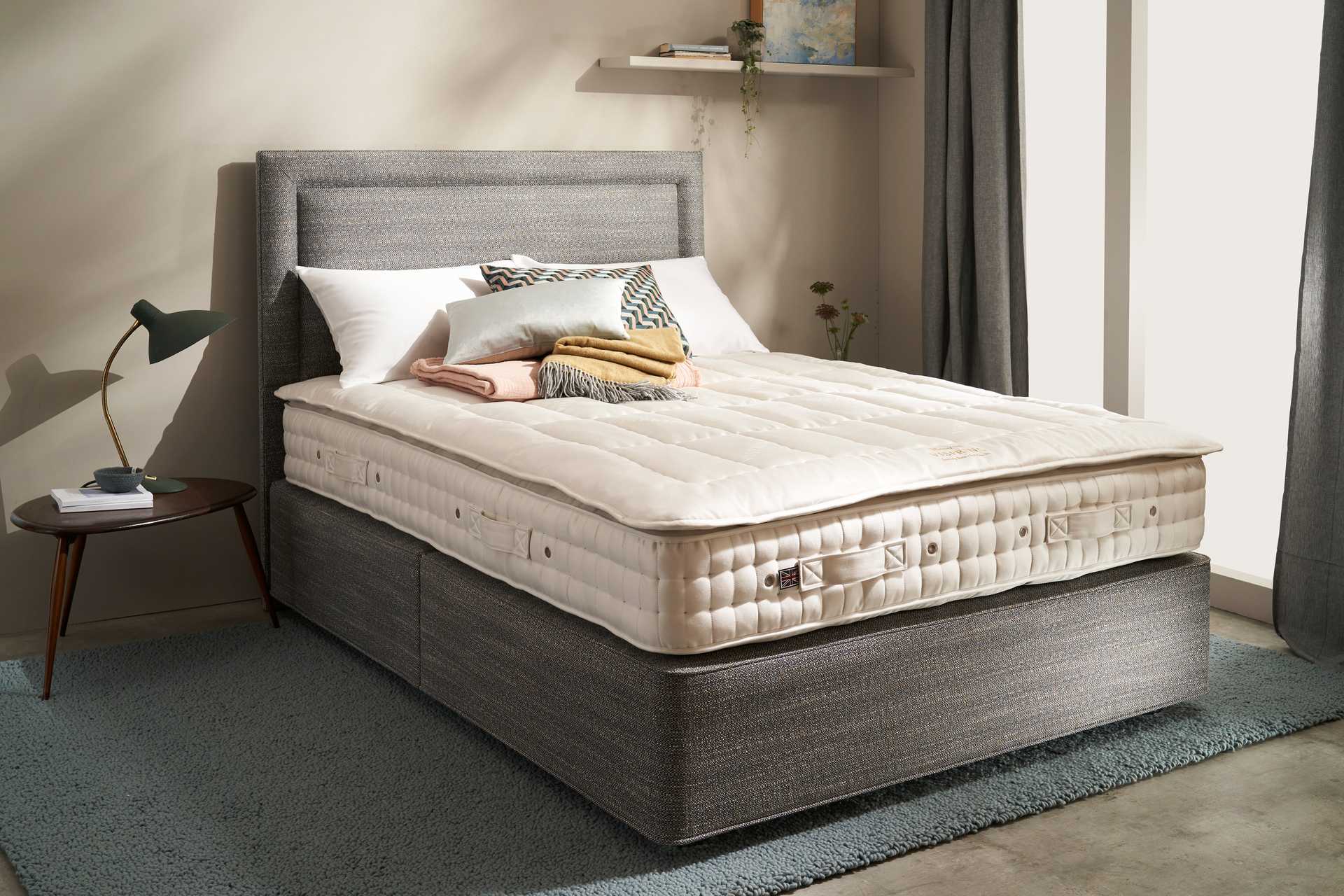
Vispring Opulence Mattress Topper
A luxury topper layering multiple natural fibers for a sumptuous, temperature-regulated surface. Its materials include fine wool, silk, cashmere, alpaca, and bamboo to deliver a sophisticated, plush feel that breathes.
- Firmness: Soft to Medium, with refined contouring
- Key benefits: Temperature regulation, plush cushioning, secure fastening
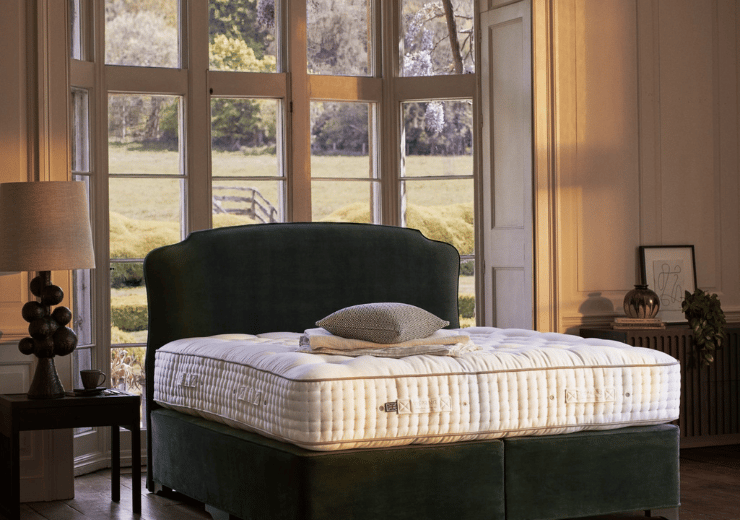
Savvy Rest Pastoral Wool Mattress
Latex-free and wool-filled, this mattress offers natural breathability and temperature regulation, ideal for sleepers seeking an eco-friendly option with a latex-free construction.
- Core: Organic wool battings in tufted organic cotton
- Offers latex-free alternatives within natural materials
Note: Availability and product details may vary by retailer. The Vispring Opulence topper demonstrates luxury layering, while the Savvy Rest Pastoral provides an example of latex-free natural bedding. Explore product specifications and certifications to verify organic content and material safety.
Sustainability, Care, and Long-Term Fit
Latex products, when properly cared for, can maintain their contour and resilience for many years. Regular airing and adherence to care instructions help preserve elasticity and prevent the growth of micro-creep that sometimes accompanies denser materials. Temperature regulation remains one of latex’s strongest features; its open-cell structure typically encourages airflow, which can translate into cooler sleep surfaces for many sleepers.
Beyond the material itself, consider how a product fits with your entire sleep system. A latex mattress may pair with a compatible foundation or a toppers that balance your personal comfort preferences. For pillow choices, latex variants—especially shredded latex or contoured latex—offer adjustable loft and long-lasting support that can evolve with your needs.
Conclusion: Making an Informed Choice for Restful Nights
Natural latex represents a unique blend of resilience, breathability, and comfort. Whether you lean toward the buoyant lift of Dunlop, the plush, contouring ease of Talalay, or a carefully chosen blend, the most satisfying sleep surface is one that harmonizes with your body and your bedroom environment. Certifications matter, as they offer measurable assurances about organic content and responsible manufacturing.
In the spirit of a responsible, information-forward resource, this guide emphasizes understanding the material, recognizing certifications, and aligning a product with personal sleep goals. The journey from Dunlop to Talalay, from latex to wool to silk, is a narrative of comfort evolving with science, ethics, and craftsmanship.