Furniture encompasses a broad range of items designed to support daily living, comfort, and interior aesthetics. In this category, emphasis is placed on durable construction, ergonomic design, and suitable materials that align with varied sleep and living environments. Understanding frame types, support systems, and finish options helps inform decisions about long-term usability and overall room harmony.
Key components of furniture for sleep-related spaces include bed frames, foundations, and storage solutions that influence mattress performance and interior organization. Materials such as solid wood, metal, and upholstered surfaces offer distinct durability and appearance, while finish treatments affect maintenance needs and compatibility with other bedroom elements like bedding and pillows.
Within this category, the Repose Bed Frame exemplifies a balanced approach to support and style. Its design emphasizes sturdy framing, appropriate slat spacing, and compatibility with standard foundations, contributing to stable weight distribution and reduced motion transfer. Functional benefits include easy assembly, longevity, and a versatile silhouette suitable for various decors.
When evaluating furniture for sleep and relaxation, consider integration with bedding, sheets, and organic mattresses to ensure consistent comfort and performance. Factors such as height, under-bed clearance, and headboard compatibility influence daily usability, while breathable or low-emission materials can support healthy indoor environments and optimal sleep quality.
Across the broader category, materials like latex and other resilient foams, alongside organic or responsibly sourced fabrics, play a role in sustaining comfort and environmental considerations. Understanding product features such as load ratings, warranty coverage, and maintenance requirements helps users select furniture that aligns with long-term sleeping satisfaction and room functionality.
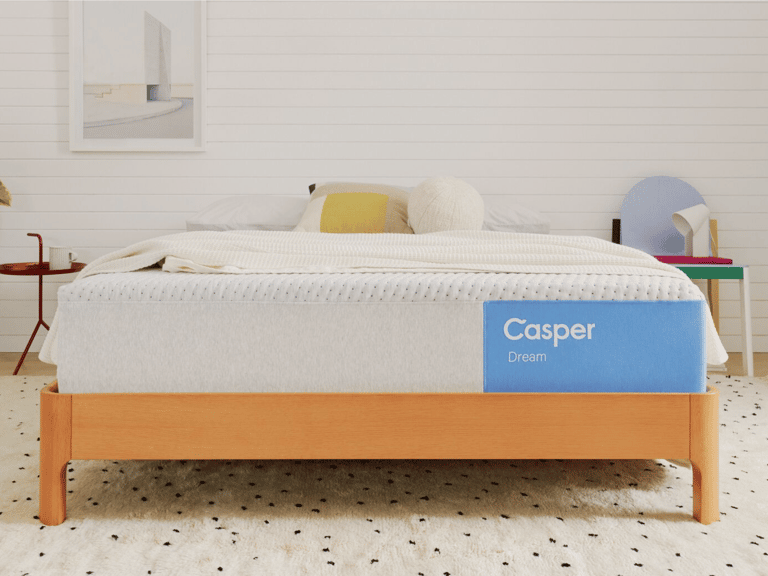 Furniture