Kids mattresses are designed to support growth-oriented sleep by balancing comfort and support for developing bodies. Key characteristics include appropriate firmness options, breathable materials, and low-motion transfer to minimize disruption. Educational emphasis on safety certifications, low VOCs, and durable construction helps caregivers select a mattress that promotes healthy sleep habits for children.
When evaluating mattresses for children, material composition matters: natural or hypoallergenic fabrics, breathable covers, and supportive core systems contribute to temperature regulation and lasting comfort. Understanding how layers interact—such as a soft top for comfort with a firmer base for spinal alignment—helps identify products that accommodate varying sleep preferences without compromising safety.
In the context of nursery and early childhood sleep, compatibility with bedding essentials like sheets, pillows, and protectors is important. A well-designed kids mattress should integrate with standard-sized crib or toddler bed setups, ensuring easy transitions. Proper sizing, edge support, and durable fabrics enhance longevity as children grow and require different sleep configurations.
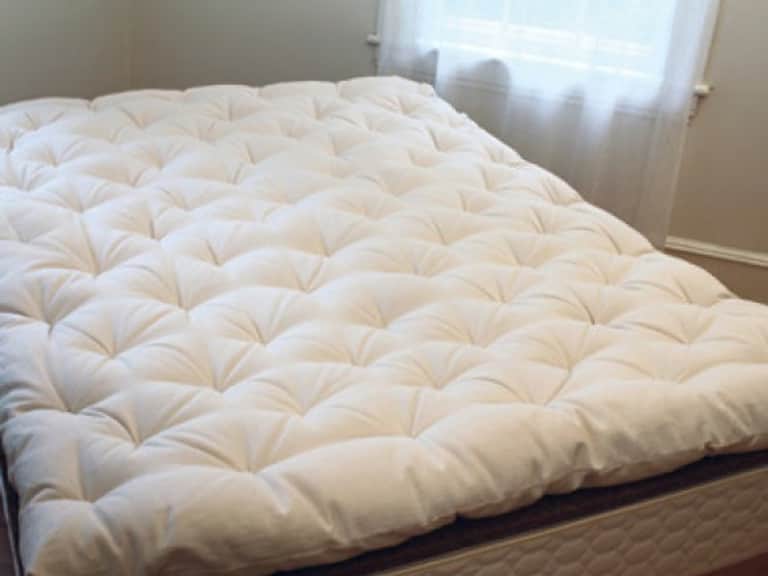
One notable example in the category is the Savvy Rest Pastoral Wool Mattress, which combines natural wool insulation with a supportive core to promote even weight distribution. Its materials are chosen for breathability and comfort, contributing to a restful night’s sleep and consistent spinal alignment for young sleepers during critical development periods.
Understanding the broader category involves recognizing how latex, wool, and other resilient materials influence durability, temperature control, and allergy considerations. By examining product features such as moisture resistance, removable covers, and adjustable firmness options, caregivers can select a mattress that fits long-term needs while aligning with bedding ecosystems that include nursery essentials like sheets and blankets.
 Mattresses